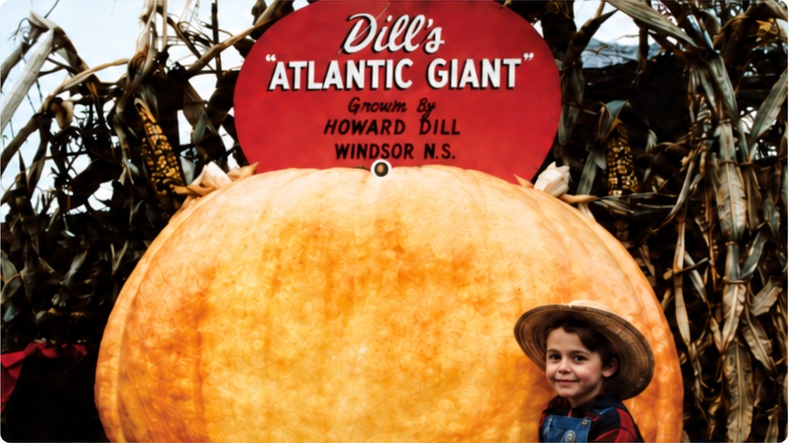
A pumpkin that gains tens of pounds in a single day sounds like something from a fairy tale. But researchers studying field-grown Atlantic Giants reported peak growth of approximately 20 kilograms—about 44 pounds—per day. That was a maximum during a particular stage of development, not a rate every pumpkin achieves throughout the season. Read the study in Plant, Cell & Environment.
So what makes that possible? Look beyond the fruit. A giant pumpkin is the result of a whole plant working together—and a gardener helping it along.
It starts with the right pumpkin
If your goal is a giant, seed choice matters. Oregon State University Extension recommends ‘Dill’s Atlantic Giant’ for growers pursuing exceptionally large pumpkins. It also emphasizes the considerable space, water and fertilizer involved. This is a gardening project to plan around, rather than a spare plant to squeeze into a crowded bed. See OSU’s giant-pumpkin guide.
Think of your first season as an experiment: choose suitable seed, make room for the plant and see what you can learn before setting a weight target.
The leaves help feed the fruit
The pumpkin may get all the attention, but the leaves supply sugars produced through photosynthesis. Those sugars travel through the plant’s phloem, the tissue that carries them from producing leaves to growing parts.
A developing fruit is a “sink”: a destination for those resources. Research comparing Atlantic Giant with other squash varieties examined how selective breeding changed that transport system. The fruit also contains a great deal of water, so rapid weight gain is not simply the accumulation of sugar or solid tissue. Explore the research on giant-pumpkin transport and growth.
Why growers keep just one pumpkin
When the goal is one large fruit, growers reduce competition on the plant. University of Maryland Extension recommends monitoring young pumpkins and, once they reach roughly 6–8 inches across, retaining the largest, fastest-growing fruit and removing the others.
That makes fruit selection one part of the process. It does not replace choosing a suitable variety or caring for the plant throughout the season. Read Maryland’s pumpkin-growing guidance.
Give the plant a strong foundation
For a first attempt, focus on a few manageable habits:
- Choose a sunny site with good drainage. Iowa State University Extension identifies both as starting points for giant pumpkins.
- Check the plant regularly. Make time to follow its progress and provide supplemental irrigation when needed.
- Keep care consistent. A steady supply of water and nutrients supports developing fruit; plan for the work as the plant grows. See Iowa State’s growing guide.
- Pay attention to flowers and pollinators. Pumpkin plants produce separate male and female flowers, and pollen must reach the female flower for fruit to develop. Maryland Extension notes that rainy weather can reduce bee activity and affect fruit set. Learn about pumpkin pollination.
Keep a simple garden journal with photos, weather notes and observations. Your own season can become a useful reference for the next one.
How big is record-breaking?
Guinness World Records lists a pumpkin grown by Ian and Stuart Paton at 1,278.8 kilograms—2,819 pounds and 4 ounces—recorded in October 2025. That is an extraordinary benchmark, not a typical backyard result. View the Guinness record.
You do not need a record to have a story worth sharing. Your first successful pollination, an unexpectedly vigorous vine or a personal-best harvest can be the memorable part.
Have you tried growing a giant pumpkin? What made the biggest difference in your garden—and what would you change next season?